

Navigating the financial aspects of a small business can feel like charting unknown waters. As a small business owner, you're likely juggling multiple responsibilities, and managing your finances might not be your area of expertise. That's where a virtual bookkeeper comes in. This blog post from Foley Bookkeeping Solutions addresses common questions about virtual bookkeeping and how it can benefit your small business.

What is a Virtual Bookkeeper?
A virtual bookkeeper provides bookkeeping services remotely. Unlike a traditional in-house bookkeeper, a virtual bookkeeper works from a separate location, leveraging technology to manage your financial records. They handle tasks such as:
Recording financial transactions
Reconciling bank accounts
Preparing financial statements
Managing accounts payable and receivable
What are the Benefits of Hiring a Virtual Bookkeeper?
There are numerous advantages to choosing a virtual bookkeeper for your small business:
Cost-Effective: Virtual bookkeepers often charge less than in-house employees because you don't have to pay for office space, equipment, or employee benefits.
Flexibility: You can scale your bookkeeping services up or down as your business needs change.
Expertise: Many virtual bookkeepers specialize in specific industries or have advanced certifications, ensuring you receive high-quality service.
Technology-Driven: Virtual bookkeepers use the latest accounting software and tools to streamline your financial processes.
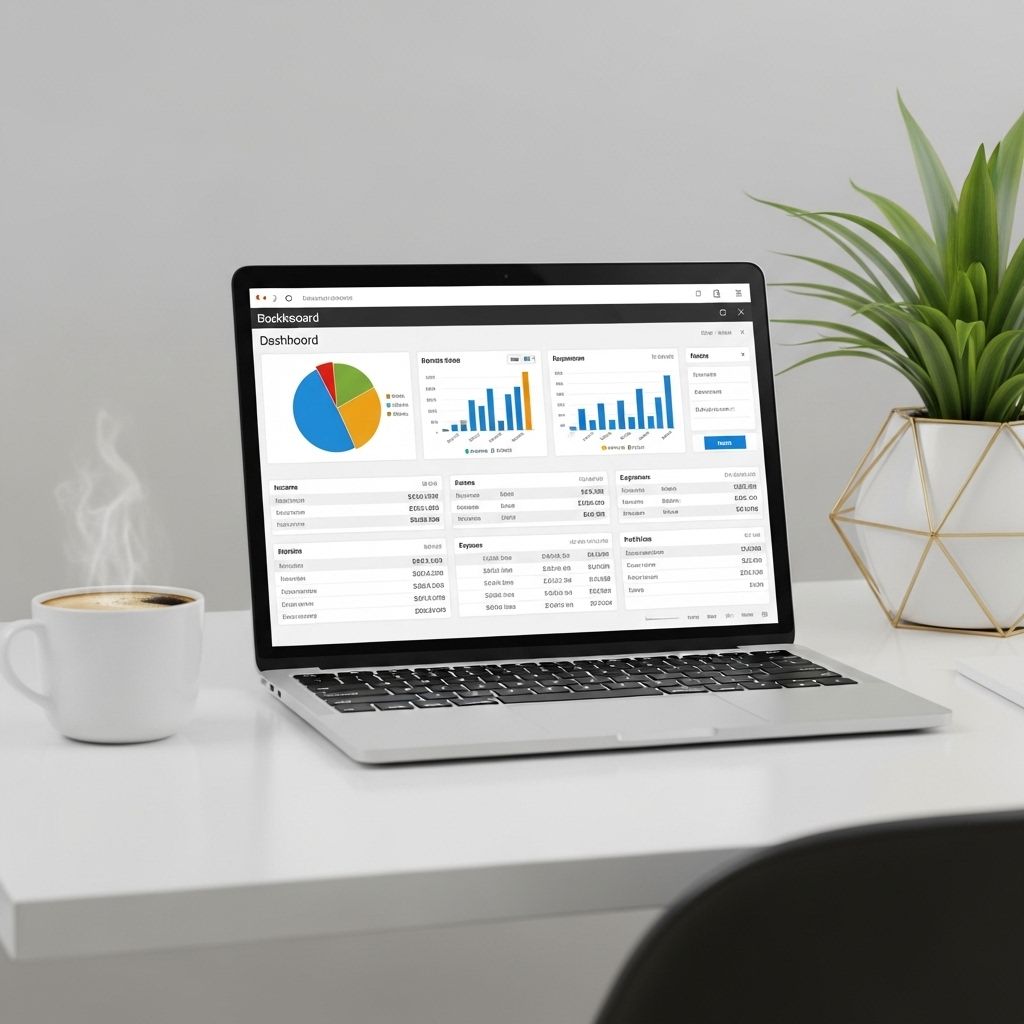
How Much Does a Virtual Bookkeeper Cost?
The cost of a virtual bookkeeper varies depending on several factors, including the scope of services, the complexity of your business, and the bookkeeper's experience. However, you can typically expect to pay either an hourly rate or a fixed monthly fee.
How Do I Choose the Right Virtual Bookkeeper?
Selecting the right virtual bookkeeper is crucial for the financial health of your business. Consider the following when making your decision:
Experience: Look for a bookkeeper with experience in your industry and a strong understanding of small business bookkeeping.
Qualifications: Check for relevant certifications, such as a Certified Bookkeeper (CB) or QuickBooks ProAdvisor.
References: Ask for references from other small business owners.
Communication: Choose a bookkeeper who is responsive, communicative, and easy to work with.
What is the Difference Between a Bookkeeper and a Virtual Bookkeeper?
The core difference lies in the location and method of service delivery. A traditional bookkeeper typically works on-site at your business, handling financial tasks in person. A virtual bookkeeper, on the other hand, performs the same tasks remotely, utilizing technology for communication and data exchange. Both roles involve managing financial transactions, reconciling bank statements, and generating financial reports. However, the virtual bookkeeper offers added flexibility and can often be more cost-effective due to the elimination of overhead costs associated with on-site personnel.
A virtual bookkeeper can be a valuable asset for small businesses, providing expert bookkeeping services at a fraction of the cost of hiring an in-house employee. By understanding the benefits and knowing what to look for in a virtual bookkeeper, you can make an informed decision that supports the long-term financial health of your business. At Foley Bookkeeping Solutions, we deliver financial empowerment by moving beyond standard data entry into high-level strategic analysis. If you're ready to eliminate administrative chaos and gain total fiscal clarity, reach out today to discover how our bookkeeping services can help you achieve measurable success and sustainable profitability.